


Top Tips for Designing a Beautiful and Functional Day Nursery
Designing a day nursery is about much more than choosing pretty colours and furniture. A well-designed nursery should support children’s development, feel welcoming and safe, and make daily routines easier for staff. Whether you’re opening a new nursery or refreshing an existing space, thoughtful interior design can make a huge difference.

Here are our top tips for creating a day nursery that is inspiring, practical, and child-centred.
1. Start With the Children in Mind
Every design decision should begin with the children who will use the space. Consider:
- Age ranges and developmental stages
- Mobility and independence (low shelving, accessible resources)
- Different learning styles – quiet, active, creative, and sensory play
Designing at a child’s eye level helps create an environment where children feel confident and in control.
2. Create Clearly Defined Zones
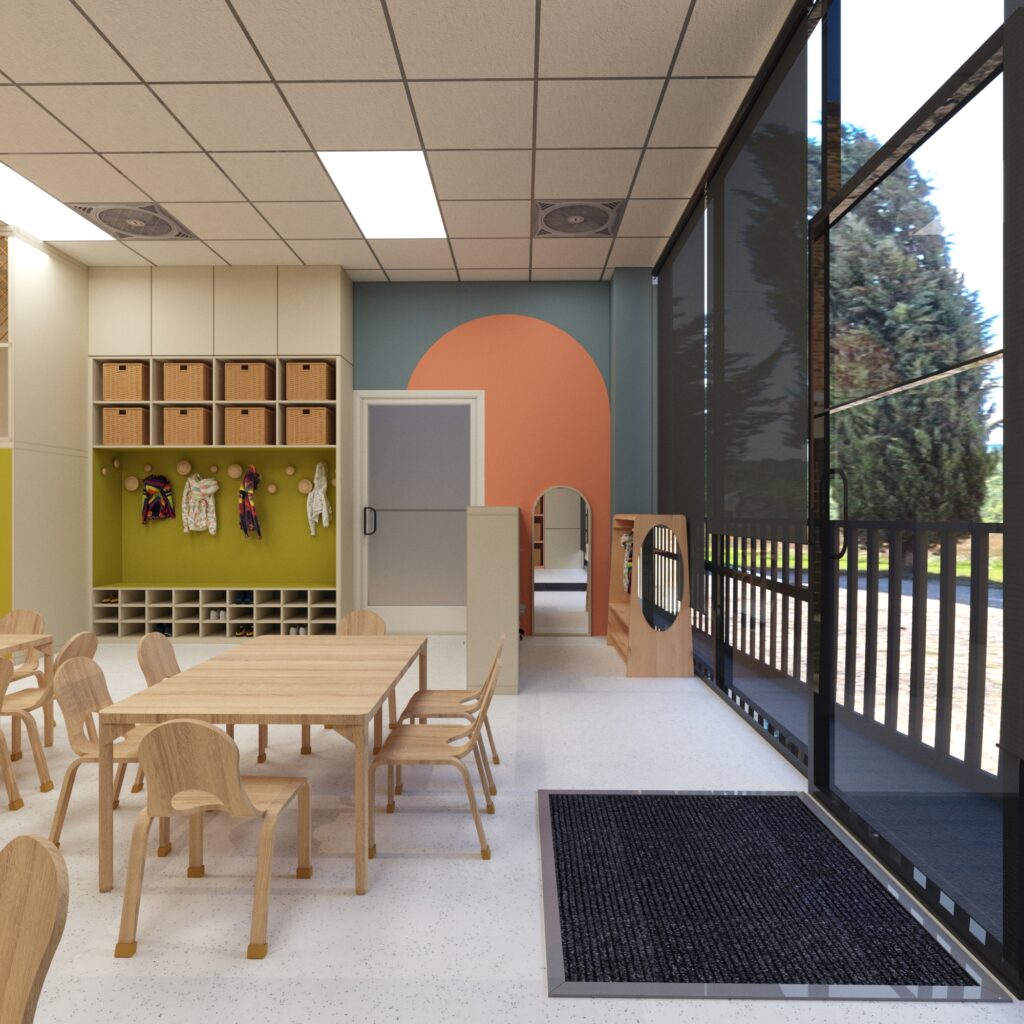
Zoning is essential in a busy nursery environment. Clear areas help children understand expectations and move confidently between activities. Typical zones include:
- Role play and imaginative play
- Creative and messy play
- Quiet reading and calming spaces
- Construction and problem-solving areas
- Sleep or rest zones
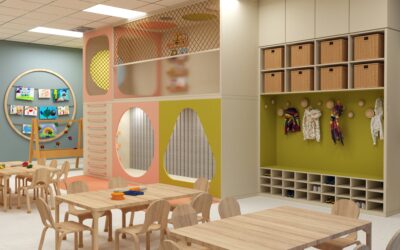
Use rugs, furniture placement, shelving, or subtle colour changes to define spaces without creating physical barriers.
3. Choose a Calm, Neutral Colour Base
While bright colours are often associated with children’s spaces, too many bold tones can feel overwhelming. A neutral base palette (soft whites, warm beiges, muted pastels) creates a calm backdrop that:
- Reduces sensory overload
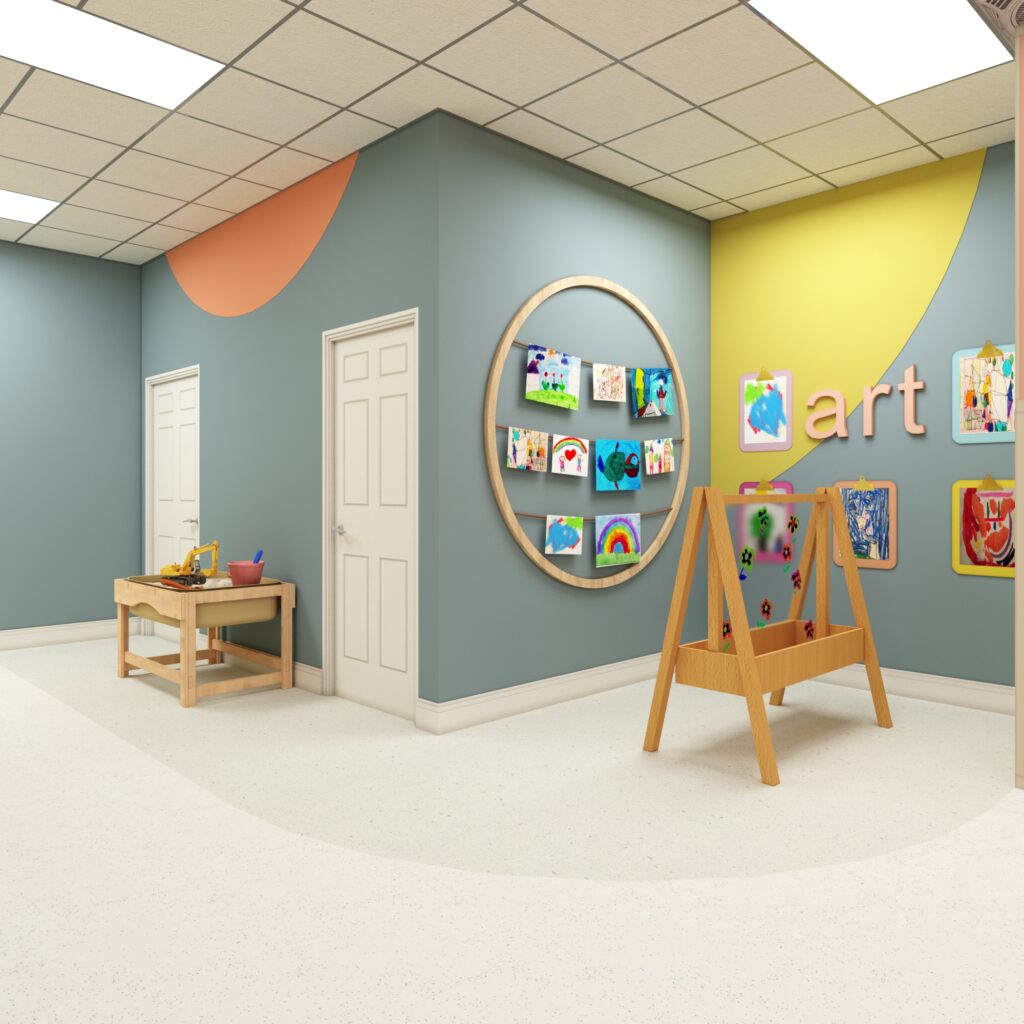
- Allows children’s artwork to stand out
- Feels more timeless and professional
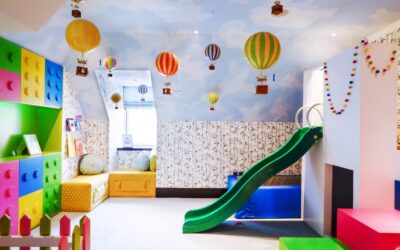
You can always add colour through toys, displays, and interchangeable décor.
4. Prioritise Safety and Durability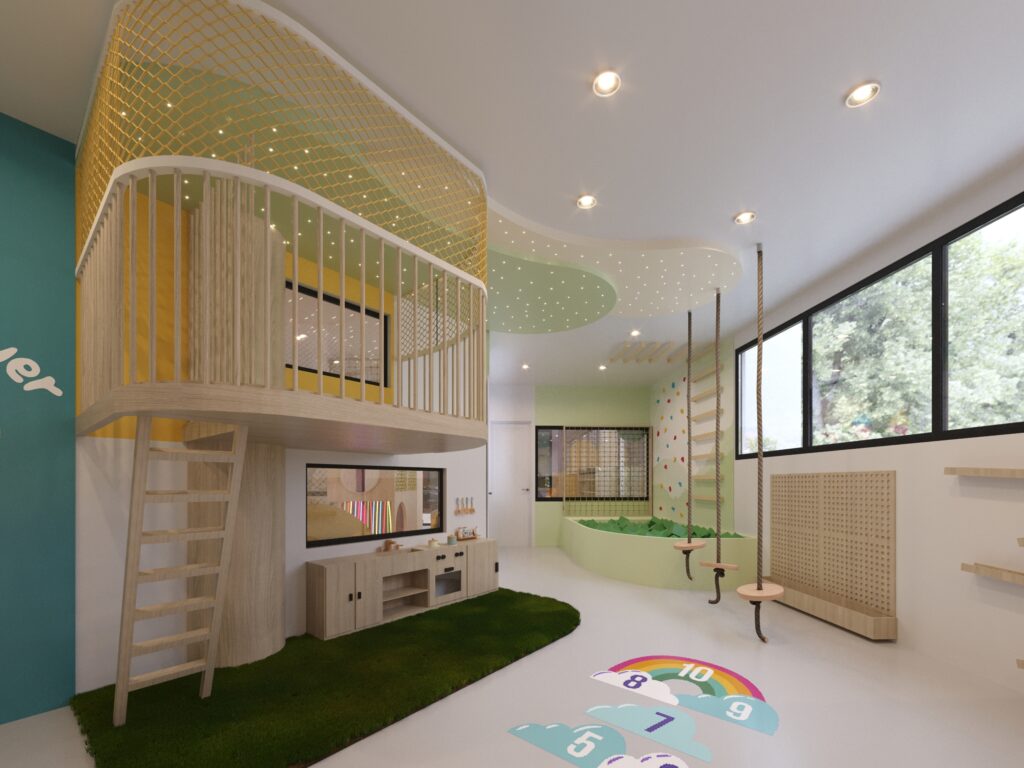
Nursery furniture and finishes need to work hard. Look for:
- Rounded edges and stable furniture
- Non-toxic, wipe-clean materials
- Slip-resistant flooring
- Easy-to-clean surfaces
Durable design doesn’t have to look clinical—well-chosen materials can be both practical and beautiful.
5. Make Storage Work Smarter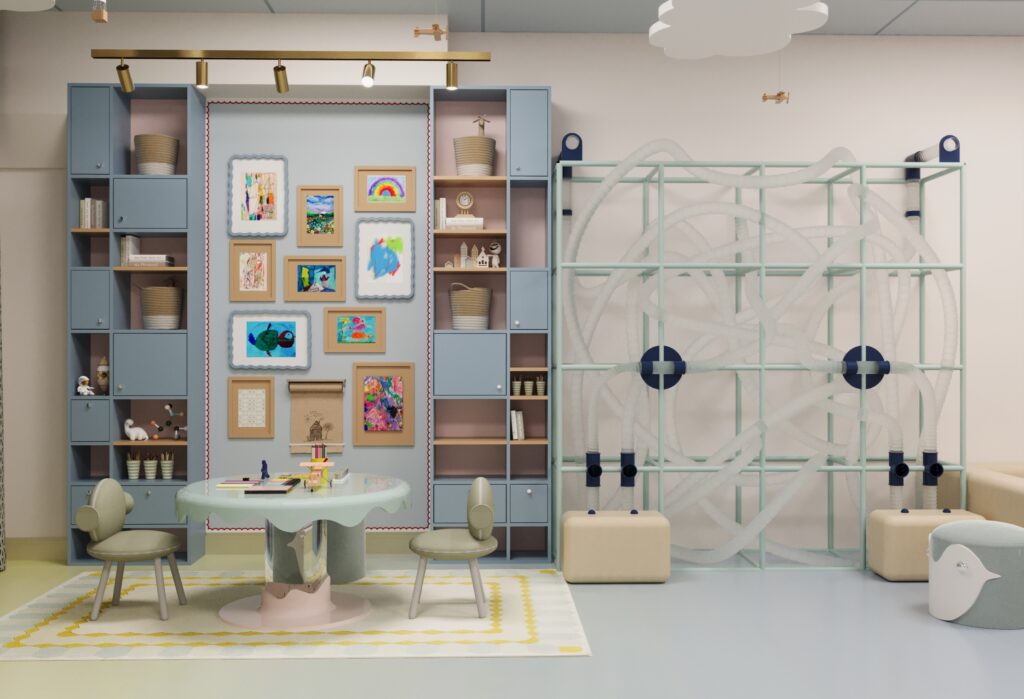
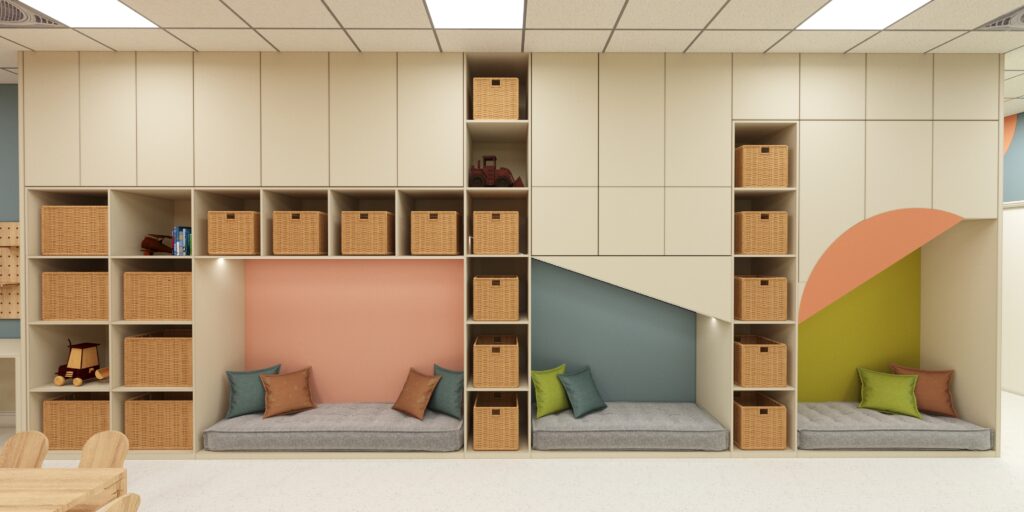
Clutter can quickly make a space feel chaotic. Clever storage helps maintain calm and organisation:
- Open shelving for independent access
- Labelled baskets for easy tidy-up routines
- Hidden storage for staff-only resources
Good storage encourages children to take responsibility for their environment while supporting daily routines.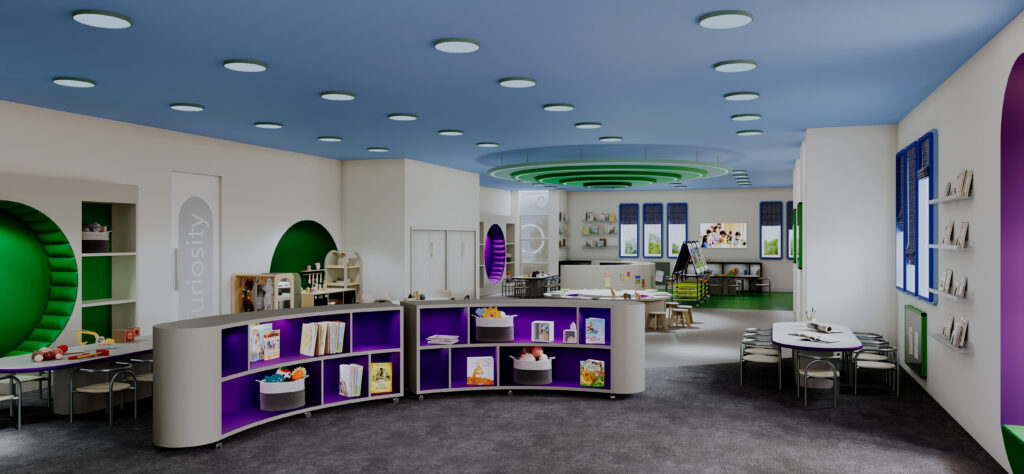
6. Bring Nature Indoors
Natural elements have a calming effect and support early learning. Consider:
- Wooden furniture and natural textures
- Plants (real or high-quality artificial)
- Neutral, earthy colour tones
- Natural light wherever possible
Biophilic design can help create a nurturing, homely atmosphere that children thrive in.

7. Design for Staff as Well as Children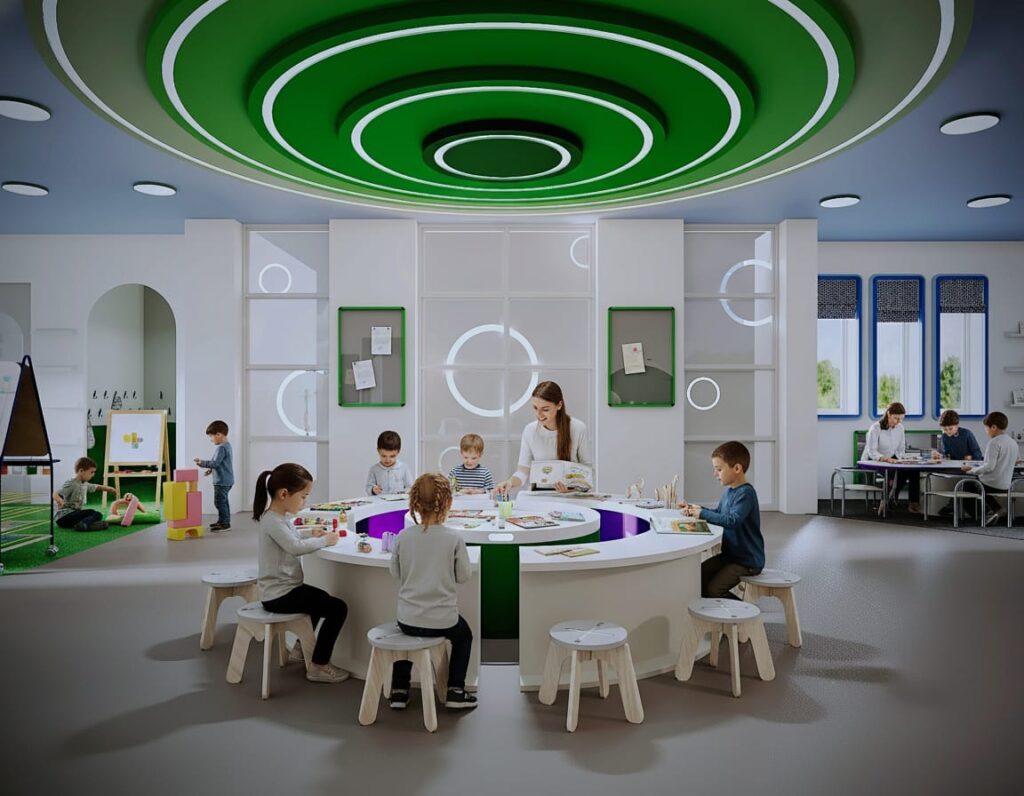
A well-designed nursery supports the people who work there every day. Think about:
- Clear sightlines across rooms
- Comfortable seating for reading and interaction
- Practical staff storage and workspaces
- Easy room layouts that support supervision
Happy, supported staff create a better experience for children and families.
8. Keep Flexibility in Mind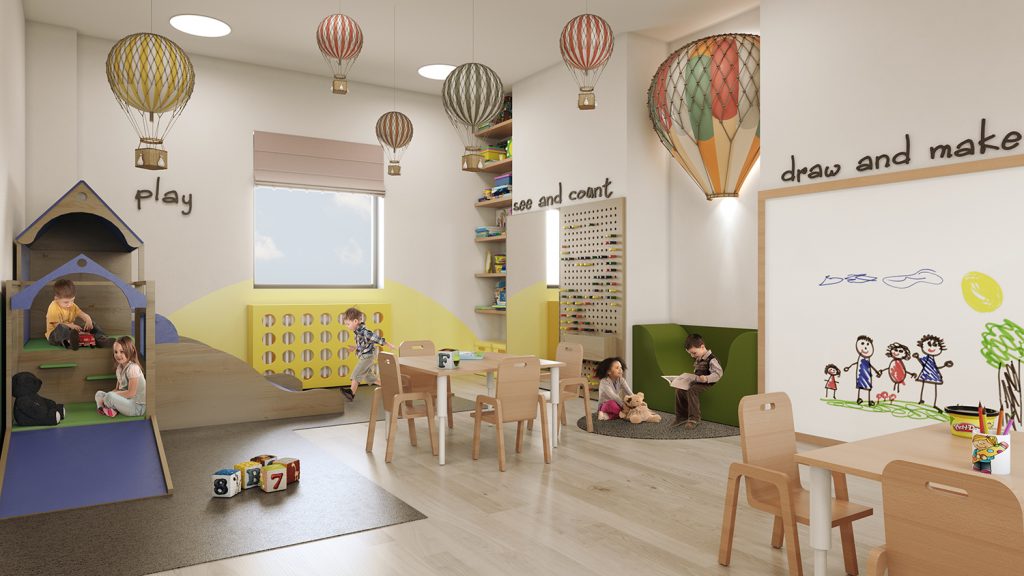
Children’s needs change, and so do nursery requirements. Choose:
- Modular furniture that can be rearranged
- Neutral bases that adapt to new themes
- Multi-use spaces that grow with the setting
A flexible design ensures your nursery remains functional and relevant for years to come.
Final Thoughts
Designing a day nursery is about balancing beauty with purpose. When spaces are calm, organised, and thoughtfully planned, children feel safe to explore, learn, and grow—and staff can work more effectively too.
At MK Kids Interiors, we believe that great nursery design supports development, wellbeing, and everyday joy. With the right approach, your nursery can be a space where children truly thrive.
Get in touch to learn more about our interior design services for pre-schools and day care centres.


0 Comments